
Koto Spring Term
What is Koto?
The current 13-stringed koto is said to have originated from China during the Nara period (8th century) and initially found its place in "gagaku" performances. Introduced as one of the instruments used in aristocratic orchestral music, it began to be used in temples around the 13th century. By the 17th century, blind musician Yatsuhashi Kengyō made modifications to koto music, evolving it into an art form accessible to a wider audience. With the introduction of Western music to Japan during the Meiji period, from the 19th to the 20th century, the koto music scene was also influenced. Miyagi Michio,
while deeply rooted in traditional performance, incorporated Western musical elements, establishing a new style of Japanese music. One of his masterpiece "Haru no Umi," is still often heard during the New Year's celebrations.
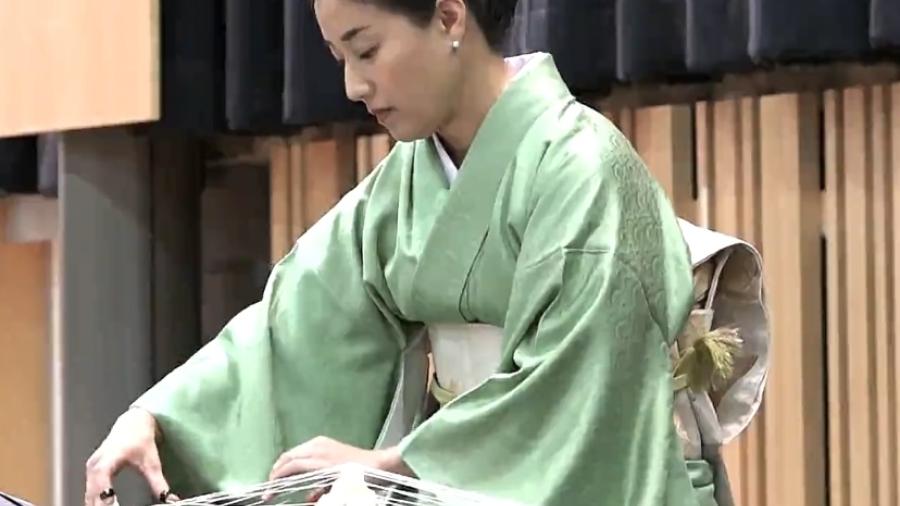
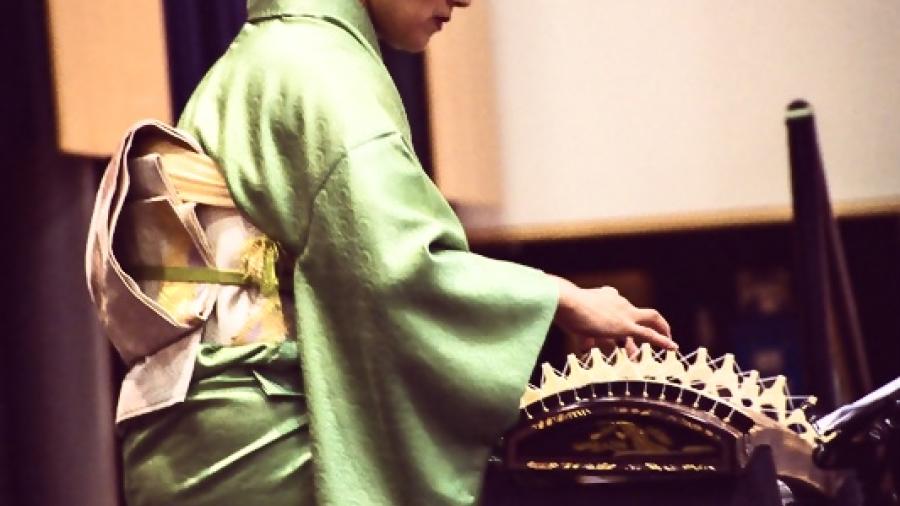
How to play the Koto
The thumb plucks the strings by pressing them from the side closer to the player toward the opposite side. The index finger and middle finger pluck the strings from the opposite side toward the player. Typically, the left hand presses the strings on the left side of the bridges to change the pitch.
Workshop Information
There are three classes being offered in this workshop series:
Introductory (15+) for new students:
- March 15, 22, 29 & Apr 5 @3pm -5pm
Beginner (15+) for returning students and invite only:
- March 15, 22, 29 & Apr 5 @ 10am - 12pm OR
- March 15, 22, 29 & Apr 5 @ 1pm - 3pm
- If you think you have the requisite experience with the Koto for these beginner classes please contact chihirot@jccc.on.ca
Tickets:
- Introductory Tickets (15+): $120 members / $140 non-members
- Returning students check your emails for information / links to register for Beginner.
Please Note:
- This class is mainly taught in Japanese. Basic Japanese language understanding is required. Materials can be provided in English please contact chihirot@jccc.on.ca for more details.
- All Supplies/Equipment is provided
- Youths (15-17) must be registered by a Parent/Legal Guardian, and all communication will go through them. This form must also be completed by the aforementioned Parent/Legal Guardian for contact information. Failure to do so will result in the youth being unable to participate in this workshop.
- Apply to be a member